Discounts for NHS, military and OAP customers

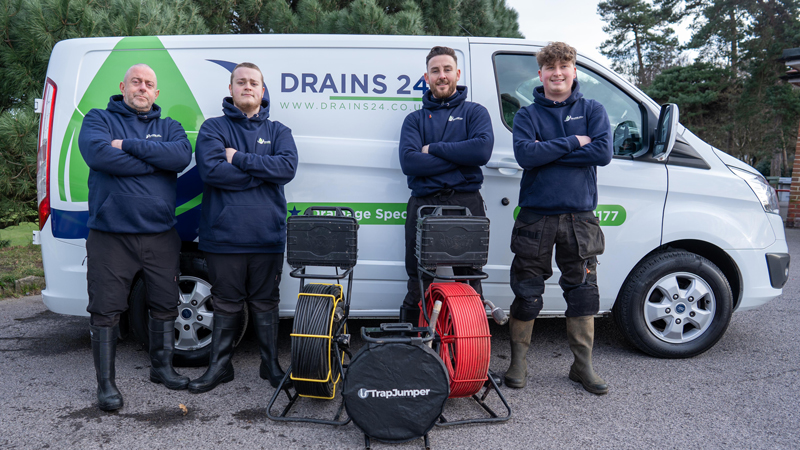
A soakaway is designed to disperse surface water safely into the ground, helping to reduce standing water, garden flooding and pressure around the property after heavy rainfall.
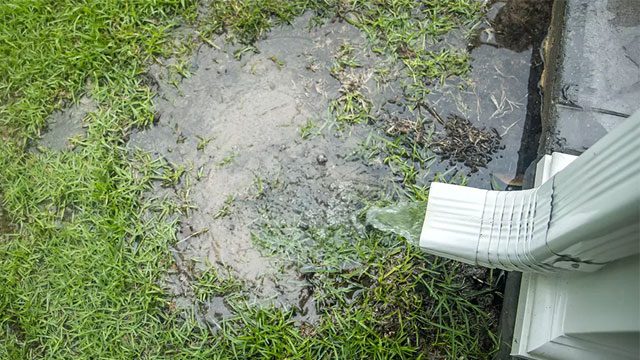
When a soakaway works properly, rainwater from roofs, driveways, patios and other hard surfaces has a controlled place to drain away. If the current drainage setup is not coping, the result is often repeat puddling, soggy ground or water collecting in the same area every time the weather turns wet.
If you are dealing with waterlogged ground, poor surface water drainage or runoff building up near the property, a soakaway system can provide a more effective long-term solution.
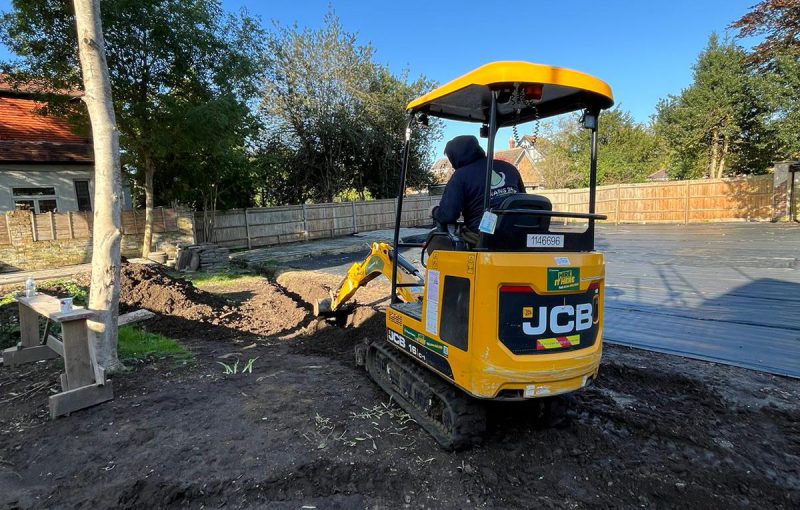
Every property needs a different approach to managing surface water. Drains24 designs soakaway systems around the site conditions, the amount of water involved and the way the property currently handles runoff.
Our soakaway planning takes into account:
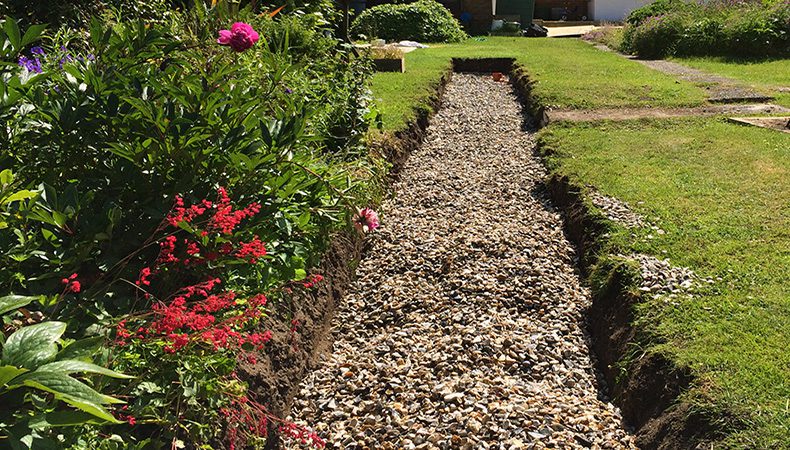
Correct installation is essential if a soakaway is going to work properly over time. A poorly planned or undersized system can still leave the property with standing water and repeat flooding after rain.
Our engineers handle the full installation process, including:
To keep a soakaway working efficiently, periodic assessment may still be needed, especially where the property has a history of drainage issues or heavy wet-weather runoff.
We can assess the wider drainage setup and check whether the soakaway continues to function as intended. This is particularly useful where flooding, standing water or poor surface drainage keeps returning and the cause is not fully clear from the surface.
We provide straightforward advice based on the property, the drainage conditions and the amount of surface water the system needs to deal with.
No unnecessary work. No hidden costs.
If you are dealing with standing water, repeat garden flooding or poor surface water drainage, Drains24 can help.
We design and install soakaways built for long-term performance and provide practical solutions for properties where runoff is no longer being managed properly.