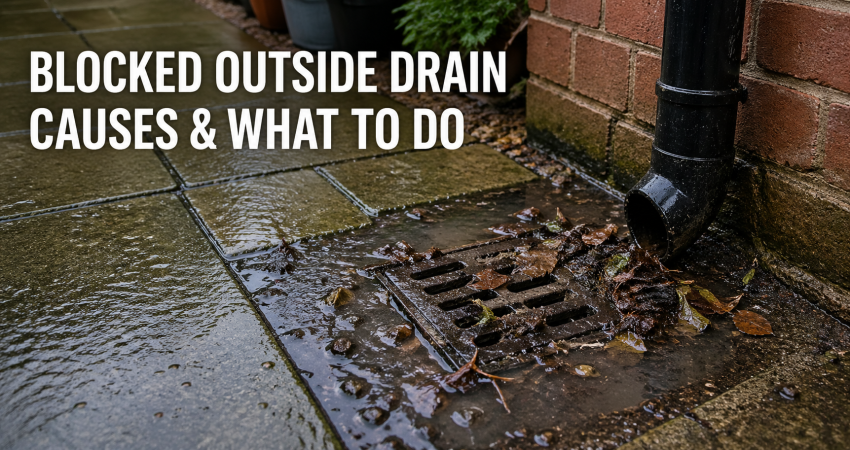
A blocked outside drain can quickly turn from a minor nuisance into a messy drainage problem. You might notice standing water, foul smells, slow flow, or water rising around the gully after normal use. In some cases, the drain may even overflow and spread dirty water across paths, patios, or driveways.
The mistake many people make is dealing only with what they can see. They remove a few leaves, the water level drops, and it seems better for a while. Then the same issue comes back after rain or after using sinks, toilets, or appliances indoors. That usually means the blockage is not just at the top. It may be further into the drainage line.
This guide explains the common causes of a blocked outside drain, the warning signs to look for, what you can try first, and when it makes sense to arrange a drain unblocking service.
Why a Blocked Outside Drain Should Not Be Ignored
A blocked outside drain rarely improves for long without the right fix. At first, the symptoms may seem mild. Water may sit around the gully for longer than usual. There may be a bad smell now and then. The problem often gets worse with time.
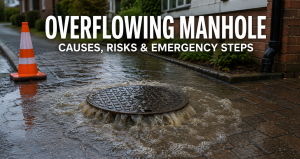
As the blockage builds, water has fewer places to go. Dirty water may begin to rise during normal use. If left too long, the drain can overflow and create a hygiene issue around the property. That is why it makes sense to deal with a blocked outside drain early rather than wait for a bigger mess.
Common Causes of a Blocked Outside Drain
A blocked outside drain can happen for several reasons. Some causes are visible at the surface. Others sit deeper in the system.
Leaves, moss and surface debris
Leaves, moss, mud, and general surface waste often collect around gullies and drain covers. Once that debris starts settling into the opening, water flow slows and more material gets trapped behind it.
This is especially common after bad weather or where the drain area has not been cleaned for a while.
Grease and waste from kitchen drainage
Some outside drains connect to systems that also carry wastewater from kitchen sinks. That means grease, food residue, and soap build-up can all contribute to an outside blockage, even when the drain itself is outdoors.
This is why a blocked outside drain sometimes gets worse after indoor fixtures are used.
Wipes, paper and unsuitable items
Unsuitable materials in the drainage system often cause repeated blockages. Wipes, sanitary products, excess paper, and other items can catch in the line and trap more waste behind them.
Silt and poor flow
Some drains do not fully clear between uses. Water passes through, but heavier material settles in the pipe. Over time, silt builds up until the drain starts struggling during normal use or rainfall.
Tree roots or pipe damage
A blocked outside drain that keeps coming back may point to a deeper defect. Roots can enter weak joints. Cracks, displaced joints, and rough sections of pipe can also trap debris repeatedly.
In these cases, clearing the surface alone will not solve the real problem.
Signs of a Blocked Outside Drain
A blocked outside drain often shows several warning signs before it becomes severe. Spotting them early can help prevent overflow and bigger disruption.
Common signs include:
- water sitting around the drain for too long
- bad smells near the gully
- slow drainage after rain or normal use
- bubbling or gurgling nearby
- water rising when sinks or toilets are used indoors
- repeated dirty water around the cover
- wastewater overflowing onto nearby surfaces
One sign on its own may not confirm a serious blockage. Several signs together usually mean the drain needs attention.
What You Can Try First for a Blocked Outside Drain
If the symptoms are mild and the issue looks local, there are a few sensible first steps.
Clear visible debris
Remove leaves, mud, moss, or loose waste from around the drain cover if it is safe to do so. Sometimes the blockage is simply stopping water from entering properly.
Test the flow carefully
A light flush can show whether the water is moving through or sitting in the line. Stop straight away if the water rises or backs up.
Check if indoor use affects it
If the outside drain reacts when you use the sink, toilet, or washing machine, the blockage may be deeper in the drainage system rather than near the surface.
These checks can help you understand the problem, but they do not replace proper clearing if the blockage is more serious.
What Usually Does Not Work for Long
This is where people often lose time.
Clearing only the top of the drain
A blocked outside drain may look like a surface problem, but the restriction is often further into the line. Cleaning the top only removes the visible symptom.
Pouring products in without knowing the cause
DIY drain products may shift some residue, but they do little for wipes, roots, silt, or damage further down the system.
Repeating the same quick fix
If the drain improves briefly and then blocks again, the real issue is still there. Another quick attempt usually does not change that.
When a Blocked Outside Drain Points to a Bigger Problem
Some outside drain blockages are simple. Others show that the wider drainage run has a deeper issue.
A blocked outside drain may point to a bigger problem when:
- the same drain keeps blocking again
- water rises when sinks or toilets are used
- more than one area of the property has drainage symptoms
- bad smells keep coming back
- the drain overflows after previous clearing
- the problem is worse during normal use, not just heavy rain
These are the situations where proper help with blocked drains makes more sense than another temporary fix.
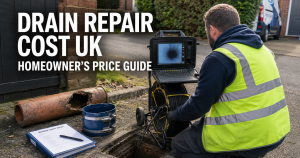
If the problem keeps returning, a CCTV drain survey can help confirm whether roots, poor flow, damage, or another hidden issue is causing the blockage.
When to Call a Professional for a Blocked Outside Drain
It is usually time to call a professional when the drain no longer clears properly, the same issue keeps returning, or the symptoms suggest the blockage is deeper in the line.
That includes cases where:
- the outside drain is overflowing
- foul water is collecting near the property
- the problem affects more than one outlet
- the blockage returns quickly after cleaning
- there are strong smells and visible backup
- you suspect roots or structural damage
A professional visit can do more than just clear the blockage. It can also help confirm whether the line needs inspection or whether there may be a need for drain repair options.
When a Blocked Outside Drain Becomes Urgent
Not every blocked outside drain is an emergency. It becomes more urgent when dirty water starts overflowing, contamination spreads, or the property begins losing normal drainage use.
You should act faster when:
- foul water overflows onto paths, patios, or driveways
- the outside drain backs up during normal indoor use
- toilets or sinks begin reacting at the same time
- there is a hygiene risk from dirty standing water
- the issue is getting worse quickly
In those cases, prompt emergency drainage help may be the safest option.
You can also review sewer flooding guidance from a trusted external source if you want to understand the wider risks linked to wastewater and contamination.
Final Thoughts
A blocked outside drain is easy to dismiss when the symptoms seem minor or come and go. The trouble is that repeat outside drain problems often mean more than leaves near the surface. Grease, debris, wipes, silt, roots, or damage further into the line can all cause the issue to return.
Clearing visible debris is a sensible first step. If the drain keeps filling, smells bad, reacts when indoor fixtures are used, or starts overflowing, it usually makes sense to arrange a drain unblocking service. If the blockage keeps coming back, a CCTV drain survey may be the best way to confirm the cause properly.
FAQs
What causes a blocked outside drain?
A blocked outside drain is often caused by leaves, mud, moss, grease, food residue, wipes, silt, roots, or damage further into the drainage line.
Can I clear a blocked outside drain myself?
You may be able to clear visible surface debris if the blockage is minor. If the drain keeps filling, reacts to indoor use, or overflows, the problem is often deeper in the system.
Why does my outside drain fill up when I use the sink?
This usually means the blockage is connected to the wider drainage run, not just the outside gully opening.
When should I get a CCTV drain survey for an outside drain problem?
A CCTV drain survey is useful when the blockage keeps returning, smells keep coming back, or there may be roots, poor flow, or pipe damage.
Is a blocked outside drain an emergency?
Not always. It becomes more urgent when foul water overflows, contamination spreads, or several drainage outlets stop working properly at the same time.