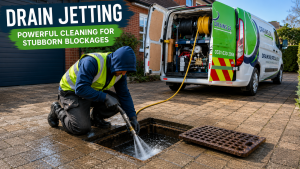
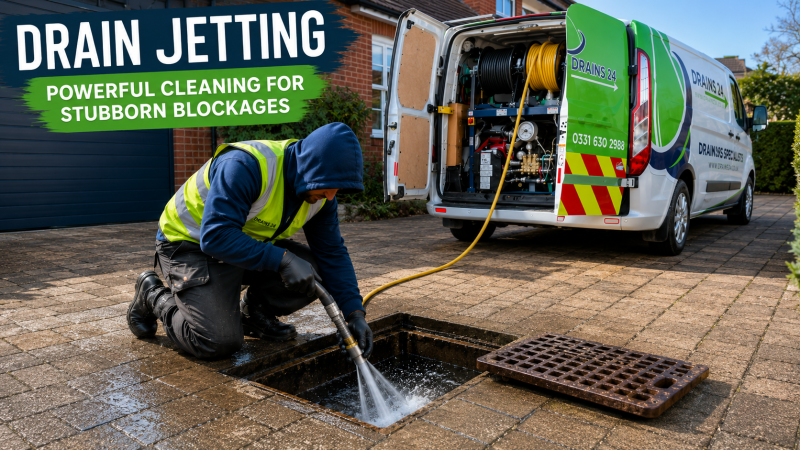
Drain jetting is a professional method of clearing drains using high-pressure water to remove blockages, buildup, and debris from the inside of the pipe. It is often used when a blockage is more stubborn than a simple local obstruction, or when the line needs a more thorough clean than basic clearing methods can provide.
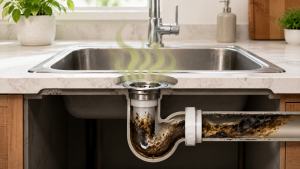
That is why drain jetting is often associated with repeat drainage problems. A drain may still flow a little, but not properly. Grease, silt, sludge, wipes, scale, or trapped debris can build up inside the pipe and reduce the internal space. Over time, the line becomes slower, smells worsen, and the same blockage keeps coming back. In these situations, a more forceful and thorough clean may be needed.
This guide explains what drain jetting is, when it is used, what kinds of problems it can help clear, and what affects the cost.
What Drain Jetting Actually Is
Drain jetting uses high-pressure water to break up and flush out material that has built up inside the drainage system. The pressure helps remove debris from the pipe walls and clear the line more thoroughly than a simple surface-level fix.
That matters because some blockages are not caused by one obvious object lodged in the pipe. Instead, the drain slowly narrows as waste collects inside it. Grease, fat, food residue, soap buildup, silt, and general debris can all contribute. A drain may still work for a while, but the flow gets worse over time.
This is where drain jetting often becomes useful. It is designed to clean the inside of the line more effectively, not just poke a small gap through the blockage.
When Drain Jetting Is Often Used
Drain jetting is usually used when the problem goes beyond a small local blockage. It is especially useful when the drain keeps slowing down, backing up, or blocking again after earlier clearing work.
Common situations include:
- repeat blocked drains
- outside drains filling up with silt or debris
- grease and food buildup in kitchen-related drainage
- commercial drains under heavier daily use
- foul smells linked to dirty pipework
- drainage lines that need a stronger internal clean
- partial blockages that keep returning
In these cases, professional help with blocked drains may involve jetting because the issue is not just one trapped item. It is the wider buildup inside the pipe.
What Drain Jetting Can Help Clear
Drain jetting can help clear a range of common drainage problems.
Grease and fat buildup
This is one of the most common reasons for jetting, especially in kitchen drains and commercial food premises. Grease can stick to the inside of the pipe and narrow the flow path over time.
Silt and sludge
Outside drains often suffer from silt, soil, and fine debris building up gradually. Jetting can help clear that material and restore better flow.
General debris and partial blockages
Paper buildup, loosened waste, soap residue, and other accumulated material can often be cleared more effectively with high-pressure jetting than with repeated minor DIY attempts.
Repeat catch points
If the drain keeps blocking because material is sticking to the same area, jetting may help clean the internal surface more thoroughly and reduce repeat buildup.
What Drain Jetting Does Not Always Solve
Although drain jetting is useful, it is not the answer to every drainage problem.
It may not solve the issue properly when:
- the pipe has collapsed
- there is a major structural defect
- roots are heavily intruding into the line
- the problem is caused by a displaced or broken section of pipe
- the same issue keeps returning because the drain is damaged
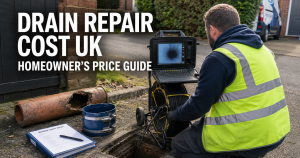
In these cases, jetting may clear the immediate obstruction but not the deeper cause. That is why repeat problems sometimes need a CCTV drain survey afterwards to confirm whether the line also needs drain repair options.
Drain Jetting vs Basic Drain Clearing
A basic clear may restore flow quickly if the blockage is small and local. Drain jetting usually goes further by cleaning more of the inside of the pipe.
That makes the difference important.
A basic clear often:
- deals with one immediate restriction
- restores enough flow to get the drain working again
- suits simpler blockages near the affected outlet
Drain jetting often:
- removes broader internal buildup
- clears debris from a longer section of line
- suits repeat blockages or dirtier drainage systems
- helps clean the pipe wall more thoroughly
That is why drain jetting is often chosen when the problem keeps returning rather than when it has only happened once.
When You May Need Drain Jetting
You may need drain jetting when:
- the same drain keeps blocking
- bad smells keep returning with slow drainage
- outside drains fill with dirty water or silt
- a previous unblock did not last long
- the line needs a more complete internal clean
- the blockage seems linked to buildup rather than one object
The pattern matters. A one-off blockage does not always need jetting. A drain that keeps causing trouble often makes a stronger case for it.
Why Drain Jetting Is Often Used for Repeat Problems
One of the main reasons professionals use jetting is that repeat drainage problems often come from buildup along the pipe wall, not one obvious obstruction. A drain may work again after a quick clear, but the residue stays behind. It then catches more waste and starts the same cycle again.
This is why drain jetting can offer better value in the right situation. The aim is not just to get water moving for now. The aim is to leave the line cleaner so the same restriction is less likely to reform quickly.
What Affects Drain Jetting Cost
The cost of drain jetting can vary depending on the job.
Common factors include:
- how severe the blockage or buildup is
- whether the drain is inside or outside
- how easy the drain is to access
- whether the issue affects one line or several
- whether the work is routine or urgent
- whether the drain later needs inspection or repair
That is why drain jetting cost is better treated as a practical range rather than one fixed number. The more involved the drainage problem, the more likely it is that jetting becomes part of a bigger diagnosis or repair process.
When Drain Jetting Leads to a CCTV Survey
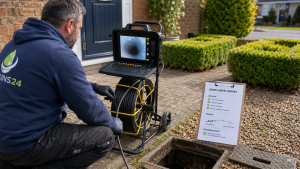
Some drains need jetting because they are dirty. Others need jetting because something deeper keeps causing the line to foul up. If the same problem comes back, or if the symptoms suggest damage, a CCTV drain survey may be the next step after jetting.
That can help show whether the line has:
- root ingress
- cracking
- poor alignment
- joint defects
- standing water from poor flow
- a repeat catch point caused by damage
In those cases, jetting solves the immediate symptom, but the survey explains why the problem kept returning.
Is Drain Jetting Worth It?
Drain jetting is often worth it when the drain needs more than a quick unblock. If the pipe is heavily fouled, the same blockage keeps returning, or the system needs a more thorough clean, jetting can be a better long-term choice than repeating smaller fixes.
The real question is not just cost. It is whether the drain needs a deeper clean to restore proper flow.
Final Thoughts
Drain jetting is a professional drainage method used to clear and clean the inside of the pipe with high-pressure water. It is especially useful when a drain keeps blocking, smells bad, or suffers from wider buildup rather than one simple local obstruction.
The key is knowing when the line needs more than a quick clear. In many cases, jetting helps restore better flow and gives the drain a more thorough clean. If the problem keeps returning, the next step may be inspection rather than more clearing alone.
FAQs
What is drain jetting?
Drain jetting is a professional method of clearing drains using high-pressure water to remove buildup, debris, and blockages from inside the pipe.
When is drain jetting used?
It is often used for repeat blockages, grease buildup, outside drain silt, bad smells, and drainage lines that need a more thorough clean.
Can drain jetting clear a blocked outside drain?
Yes. Drain jetting can help clear outside drains affected by silt, sludge, debris, and other buildup that restricts flow.
Does drain jetting fix damaged drains?
Not usually. It can clear the immediate blockage or buildup, but structural defects such as cracks, roots, or collapsed sections often need further inspection or repair.
When should I get a CCTV drain survey after jetting?
A CCTV drain survey is useful when the same issue returns, the cause is unclear, or there may be damage or root ingress in the line.