Tree roots in drains are a common cause of recurring blockages, slow flow, bad smells, and pipe damage. Roots do not need a large gap to get started. A small crack, weak joint, or worn section of pipe can be enough for them to enter the line. Once inside, they trap waste, slow the flow of water, and create the kind of drainage problem that keeps coming back.
This is why root ingress should not be dismissed as just another blockage. A drain may clear for a short time, but if roots remain in the line or the entry point stays open, the same problem often returns. In some cases, the roots are only part of the issue. The real concern is the damage that allowed them in.
This guide explains how tree roots get into drains, the signs that usually point to root ingress, how roots are removed, and when the drain may also need repair.
Why Tree Roots in Drains Happen
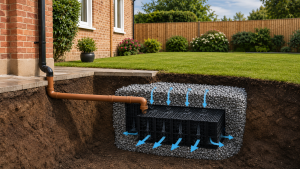
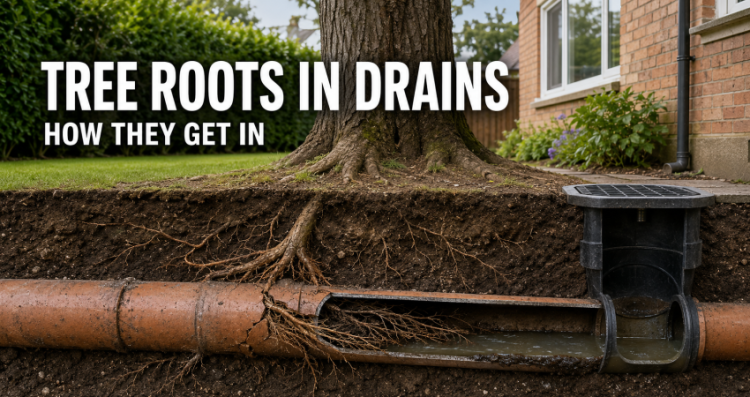
Roots naturally grow towards moisture. Underground drains provide exactly that. If a pipe has a weak joint, a fine crack, or a small structural defect, roots can work their way in over time. They do not usually burst straight through a sound modern drain. More often, they exploit an existing weakness.
Once roots enter the pipe, they continue to grow where moisture and nutrients are present. That is why root-related drainage problems often get worse gradually. At first, the line may just slow down now and then. Later, waste starts catching on the roots, the blockage returns more often, and the drain may eventually suffer more serious structural strain.
How Tree Roots in Drains Usually Start
In most cases, root ingress begins with a defect that is already there. That could be:
- a weak or open joint
- a small crack in the pipe
- an older section of drain with worn connections
- slight movement in the line
- previous damage that has not been repaired properly
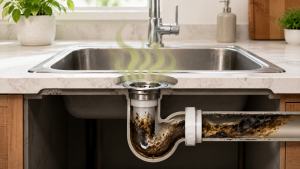
The roots then enter through that opening and start expanding inside the pipe. As they grow, they catch paper, grease, debris, and other waste moving through the drain. That combination is what often leads to recurring drainage problems.
This is one reason tree roots in drains often show up as repeated blockages rather than one sudden failure.
Signs of Tree Roots in Drains
Root ingress often gives warning signs before the issue becomes severe. The symptoms can look similar to an ordinary blockage at first, which is why the cause is often missed.
Common signs include:
- repeated blockages in the same drain
- slow drainage that keeps returning
- bad smells coming back again and again
- gurgling sounds from sinks, toilets, or outside drains
- outside drains filling or overflowing
- water backing up after previous clearing
- a blockage that clears briefly, then returns soon after
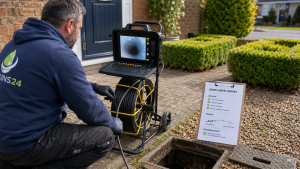
When the same symptoms keep returning, the drain may need more than routine clearing. In those cases, a CCTV drain survey is often the best way to confirm whether roots are actually present in the line.
Why Root-Related Blockages Keep Coming Back
This is one of the clearest patterns with tree roots in drains. A drain may be cleared, the water may start flowing again, and the problem may seem solved. Then the same symptoms return.
That happens because the blockage is often only partly removed. Waste may clear from around the roots, but the roots remain inside the pipe. Once water starts flowing again, fresh debris catches on them and the restriction builds back up.
The other reason is structural. Even if roots are cut back, the drain still has the same opening that allowed them in. Unless the entry point is repaired, the line remains vulnerable to repeat intrusion.
How Tree Roots in Drains Are Identified
The most reliable way to identify root ingress is through a CCTV drain survey. A camera inspection shows what is happening inside the pipe and helps confirm:
- whether roots are present
- how much of the line is affected
- where the roots entered
- whether the pipe has cracks, open joints, or other defects
- whether the problem is just the roots or a wider structural issue
This matters because root-related drainage problems are not all the same. One drain may only need root cutting and local repair. Another may have deeper structural damage that calls for a different repair approach.
How Tree Roots in Drains Are Removed
Removing roots from a drain usually starts with clearing the growth from inside the pipe. The exact method depends on how severe the ingress is and how accessible the line is.
Common approaches include:
Mechanical root cutting
This is often used to cut back root growth within the pipe so the drain can flow properly again. It helps remove the immediate obstruction and is commonly used before any repair work is considered.
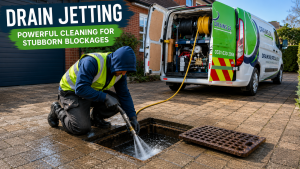
High-pressure jetting
In some cases, jetting can help clear loosened root material and associated debris from the line after cutting. This helps restore flow and remove the waste trapped around the roots.
Follow-up inspection
After the roots are cleared, the line should usually be inspected again. This helps confirm the condition of the pipe and shows whether the drain now needs drain repair options to seal the entry point and reduce the risk of repeat growth.
The key point is simple: removing the roots is often only the first stage. Stopping them from coming back usually depends on dealing with the defect that let them in.
When Root Removal Alone Is Not Enough
Some people assume the problem is solved once the roots are cleared. Sometimes that is not the case.
Root removal alone may not be enough when:
- the pipe has cracks or broken joints
- the same drain has a history of repeated blockage
- the line has already weakened structurally
- roots return after previous clearance
- the drain has other defects such as poor alignment or collapse
In those cases, the drain may also need repair after the roots are removed. Depending on the defect, that could mean a localised repair, lining, or in more serious cases excavation.
Can Tree Roots in Drains Cause Permanent Damage?
Yes, they can. Roots inside a pipe do more than block flow. Over time, they can place pressure on already weak sections, widen existing cracks, and contribute to further structural failure.
That does not mean every case of tree roots in drains leads to major damage. However, the longer root ingress is left untreated, the greater the chance that the drain deteriorates beyond a simple clearance job.
This is why recurring root-related drainage issues should be investigated properly rather than treated as a routine blockage every time.
When to Call a Professional
It is usually time to call a professional when the same blockage keeps returning, outside drains keep filling, or you suspect the issue is deeper than surface debris. Tree root problems nearly always need more than a basic DIY attempt because the real cause sits inside the line.
Professional help usually makes sense when:
- the drain keeps blocking in the same place
- outside drains overflow repeatedly
- there are strong smells and slow flow together
- a previous clear did not last
- you suspect damage as well as blockage
- you want to confirm whether the drain needs repair after clearance
In these situations, proper root removal from drains often works best when combined with a CCTV drain survey so the full condition of the line can be assessed.
How to Reduce the Risk of Roots Returning
The best way to reduce repeat root ingress is to repair the defect that allowed the roots in. Clearing the growth helps restore flow, but long-term prevention depends on dealing with the entry point.
That may involve:
- repairing a crack or defective joint
- lining a suitable section of pipe
- replacing a badly damaged section
- monitoring the line if root ingress was minor and localised
The right option depends on the condition of the pipe after clearance and inspection.
Local and Network Linking Opportunity
This topic is a strong main-site post because it supports the root removal service page while giving you natural opportunities to link down into local posts on recurring blockages, drain damage, CCTV diagnosis, or root-related repair work where those local articles already exist. That matches the campaign structure in your uploaded schedule.
Use only real local posts that genuinely relate to:
- root ingress
- repeat drain blockages
- drain repairs after damage
- CCTV drain surveys for hidden faults
- outside drain overflow linked to structural issues
Final Thoughts
Tree roots in drains usually start with a weakness in the pipe and then develop into a much bigger problem as waste catches and flow slows down. The symptoms often look like an ordinary blockage at first, but the pattern is different. The same drain keeps causing trouble, the same smells keep returning, and the same restriction builds back up after clearing.
The important thing is not just removing the roots. It is working out how they got in and whether the drain also needs repair. In many cases, the best route is to clear the roots, inspect the line properly, and then choose the repair option that reduces the chance of the problem returning.
Tree roots usually exploit existing weaknesses in older or damaged pipework, rather than breaking into sound drains at random, as explained in this tree root and drain guidance.
FAQs
How do tree roots get into drains?
Tree roots usually enter through weak joints, small cracks, or damaged sections of pipe where moisture escapes and attracts growth.
Can tree roots in drains cause blockages?
Yes. Roots catch waste and debris inside the pipe, which can lead to repeated blockages, slow drainage, and overflow.
How are tree roots removed from drains?
Engineers often remove roots using mechanical cutting, sometimes followed by high-pressure jetting to clear the remaining debris.
Will roots come back after they are cleared?
They can. If the entry point in the drain is not repaired, the line may remain vulnerable to repeat root ingress.
Do tree roots in drains always mean the pipe is damaged?
Not always, but they often point to an existing weakness such as a crack, poor joint, or worn section of pipe that should be checked properly.