CIPP drain lining is a no-dig drain repair method that creates a new lining inside an existing damaged pipe. Instead of excavating and replacing the whole section from above, the repair is carried out from within the drain CIPP drain lining is a no-dig drain repair method that creates a new lining inside a damaged pipe. Instead of digging up and replacing the whole section, engineers repair the drain from within. That is why many property owners choose it when they want to avoid major disruption above ground.
The appeal is easy to understand. If the damaged drain runs beneath a driveway, patio, path, or landscaped area, excavation can become messy, slow, and expensive. CIPP drain lining often offers a more practical repair route where the pipe is still suitable for internal work.
This guide explains what CIPP drain lining is, how it works, when it suits a drain, and when another repair method may be the better choice.
What CIPP Drain Lining Means
CIPP stands for cured-in-place pipe. In simple terms, it creates a new inner pipe within the old drain. Engineers place a liner inside the damaged section and cure it so it hardens into place.
Once the liner cures, it forms a new internal surface inside the original pipe. This helps restore the drain without full excavation. That is why many people see CIPP drain lining as one of the most useful no-dig drain repair options.
Even so, it does not suit every fault. The existing drain still needs enough shape and strength to support the liner properly.
How CIPP Drain Lining Works
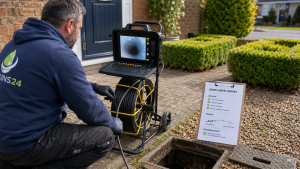
The process usually starts with a proper inspection. In many cases, that means carrying out a CCTV drain survey first. The survey shows the location, type, and extent of the damage.
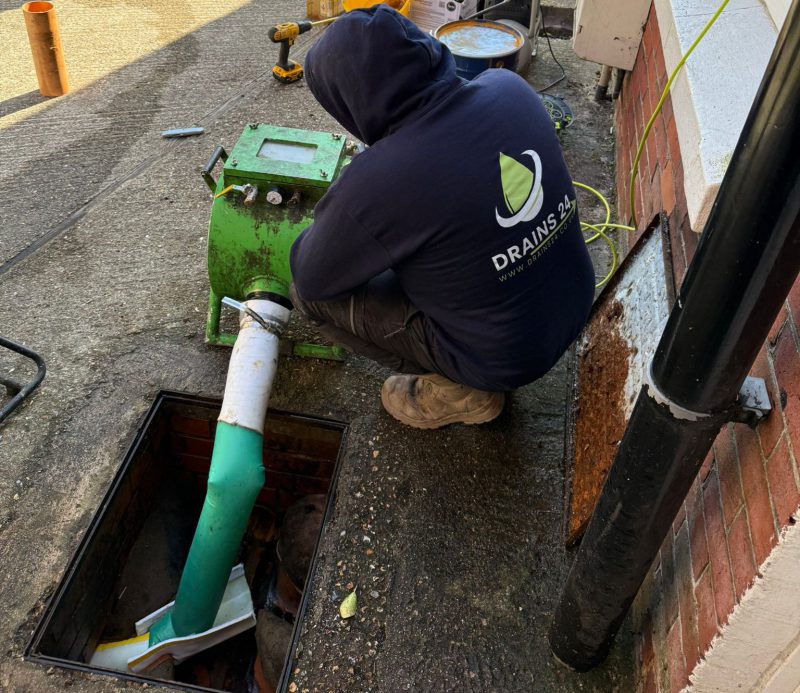
After that, engineers prepare the drain. They clear debris, clean the pipe, and check that the section is ready to receive the liner. Then they insert a resin-lined material into the damaged section and position it correctly inside the pipe.
Next, they cure the liner so it hardens against the inner wall of the drain. Once it sets, the liner forms a new internal pipe surface. Engineers then inspect the repair again to confirm the result and check that water can flow properly through the line.
Why CIPP Drain Lining Is Used
The main reason people choose CIPP drain lining is simple. It repairs pipe damage without full excavation in many cases. That usually means less disruption above ground and less reinstatement work afterwards.
This matters most where the drain sits beneath finished surfaces. A driveway, patio, path, or landscaped area can be expensive to disturb and put back right. In those situations, CIPP drain lining often gives a cleaner and more practical repair route.
It is also useful because it can:
- reduce surface disruption
- avoid lifting large finished areas
- restore the inner condition of the pipe
- repair certain structural faults without replacing the whole run
- support a more efficient repair process where the pipe is suitable
When CIPP Drain Lining Is Often Suitable
CIPP drain lining often works well when the drain has:
- cracks in the pipe wall
- minor fractures
- defective joints
- limited structural wear
- root ingress after proper clearance
- damaged sections that still hold enough shape for lining
It also suits drains where access is difficult. If the damaged section runs beneath an area you would rather not excavate, lining may offer a more sensible solution than opening the ground.
The important point is this: the pipe must still be suitable for lining. If the structure has failed too badly, lining will not be the right answer.
When CIPP Drain Lining May Not Be the Right Option
Although CIPP drain lining is useful, it cannot solve every drainage problem.
It may not be the best option when:
- the pipe has fully collapsed
- the drain has lost too much of its shape
- the section is badly displaced
- the damage is too severe for internal repair
- engineers cannot prepare the line properly
- another repair method would give a stronger long-term result
In these cases, excavation may be the better choice. The key is not choosing lining because it sounds easier. The key is choosing the method that fits the actual defect.
CIPP Drain Lining vs Patch Repair
CIPP drain lining and patch repair are both no-dig methods, but they do different jobs.
A patch repair usually treats a small local defect. It targets a short section of damage and avoids repairing more pipe than necessary.
By contrast, CIPP drain lining usually suits longer sections or broader areas of weakness. It can restore more of the pipe than a short patch, which makes it useful when several defects sit close together or when the worn section extends further along the line.
That is why a CCTV drain survey matters before choosing between the two.
CIPP Drain Lining vs Excavation
Many property owners compare these two methods because they want to balance disruption, cost, and long-term value.
CIPP drain lining
- avoids full excavation in many cases
- causes less disruption above ground
- works well for suitable cracks, joint defects, and limited structural damage
- depends on the pipe still being strong enough for internal repair
Excavation
- gives direct access to the damaged section
- suits severe collapse or major deformation
- allows engineers to remove and replace the failed pipe
- often becomes necessary where lining cannot work reliably
Neither method is always better. The better method is the one that solves the actual fault properly.
What Problems CIPP Drain Lining Can Help Solve
CIPP drain lining often helps where the issue goes beyond a simple blockage. Engineers use it for faults such as:
- repeated blockages caused by damaged pipe sections
- root ingress where the entry point needs repair after clearance
- recurring smells linked to cracks or bad joints
- local structural deterioration in older drains
- weakened pipe sections that have not fully collapsed
It does not replace proper diagnosis. Instead, it gives a repair option once the inspection confirms the cause.
Why Proper Diagnosis Still Matters
One of the most common mistakes in drain repair is choosing a method too early. Some people hear about no-dig lining and assume it must be the best option because it sounds less disruptive. Sometimes that is true. In other cases, it is not.
A proper inspection gives you a clearer answer. A CCTV drain survey can show whether the pipe has cracks, open joints, root ingress, poor alignment, or more serious structural failure. Once you know that, the right repair choice becomes much easier.
Without that step, the repair decision becomes guesswork.
When to Consider CIPP Drain Lining
You may want to consider CIPP drain lining when:
- the drain has confirmed pipe damage but no full collapse
- the line runs beneath surfaces you want to avoid excavating
- recurring blockages point to a structural issue
- root ingress has been cleared and the entry point needs repair
- the drain needs more than clearing but less than full replacement
- a no-dig solution offers the best balance between disruption and outcome
At that stage, it makes sense to compare the available drain repair options against the actual defect rather than choose based on convenience alone.
Final Thoughts
CIPP drain lining gives engineers a practical way to repair damaged drains without full excavation in many cases. It works best where the pipe still has enough shape and strength to support an internal liner. That makes it especially useful beneath driveways, patios, and other finished surfaces where digging would cause more disruption.
Still, it is not right for every drain. Severe collapse, major displacement, or badly broken sections may still need excavation. The best results come from matching the repair method to the condition of the line. In many cases, that starts with a proper inspection and then moves on to the most suitable repair choice.
FAQs
What does CIPP stand for in drain lining?
CIPP stands for cured-in-place pipe. It describes a repair method that forms a new lining inside an existing drain.
Is CIPP drain lining a no-dig repair?
Yes. Engineers carry out CIPP drain lining internally, so they can often avoid full excavation.
When is CIPP drain lining suitable?
It usually suits drains with cracks, joint defects, or limited structural damage where the pipe still has enough shape and strength for internal repair.
Can CIPP drain lining fix a collapsed drain?
Not usually. A fully collapsed or badly deformed drain often needs excavation and replacement instead.
Does a CCTV drain survey come before lining?
In many cases, yes. A CCTV drain survey helps confirm the location, type, and extent of damage before engineers choose the repair method.