If you are hearing odd bubbling or sucking noises and wondering about gurgling drain causes, the sound usually means air and water are struggling to move through the drainage system properly. A healthy drain should carry wastewater away with very little fuss. Once the system starts gurgling, it often means something is interrupting that normal flow.
Sometimes the issue is minor. A small local blockage, partial buildup, or trapped debris may be enough to create the noise. In other cases, gurgling is an early warning sign that the drain is under pressure, the line is partly blocked, or the wider system is starting to struggle. That is why the sound is worth paying attention to, especially if it keeps coming back.
This guide explains the most common gurgling drain causes, what the sound usually tells you, and when it may be time to arrange help with blocked drains.
Why Gurgling Drain Causes Matter
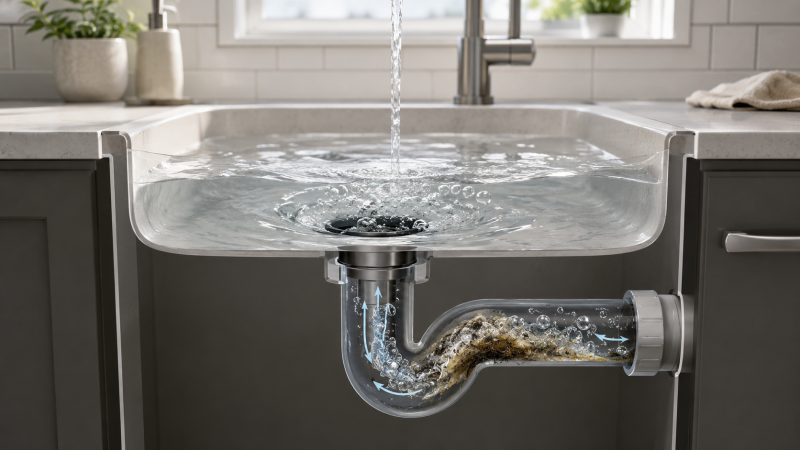
A gurgling drain is not just making an odd noise for no reason. The sound usually happens because water is trying to pass through the system while air is being pulled or pushed around a restriction. That often means the line is no longer flowing as smoothly as it should.
The important point is that gurgling often comes before more obvious symptoms. A full blockage may not have happened yet. Overflow may not have started yet. The sound can be one of the first clues that the drain is beginning to struggle.
That is why understanding gurgling drain causes can help you act before the problem becomes more disruptive.
The Most Common Gurgling Drain Causes
A partial blockage in the pipe
This is one of the most common gurgling drain causes. A partial blockage allows some water through, but not cleanly. As water moves past the restriction, it pulls air with it or forces air back through the system, which creates the gurgling sound.
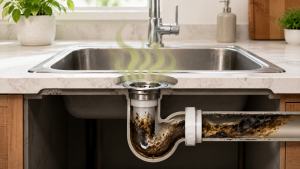
This often happens when grease, soap, food residue, hair, or general debris has started building up inside the line.
A deeper blockage further into the drainage run
If more than one fixture is affected, the problem may be further down the system rather than near one outlet. A deeper blockage can create pressure changes that cause toilets, sinks, or showers to gurgle even if the sound seems to come from just one place.
Poor flow in the drain
Not every noise comes from a full blockage. Sometimes the drain has poor flow because water is sitting in part of the pipe for too long or the system is not clearing as efficiently as it should. In these cases, the gurgling may happen on and off rather than all the time.
Root ingress or pipe damage
If the same drain keeps gurgling and other symptoms return with it, the issue may be more than buildup. Roots, cracks, displaced joints, or structural defects can all create the kind of restriction that causes air and water movement to sound wrong.
What the Gurgling Sound Usually Means
In simple terms, the sound means the drain is having to work harder than it should. Water and air are not moving through the system in a clean, balanced way.
That usually points to one of three things:
- a blockage is starting to form
- the line already has a partial restriction
- the wider system is beginning to react to a deeper issue
The sound on its own does not always tell you exactly which one it is. The pattern of other symptoms usually helps fill that in.
Signs the Gurgling May Point to a Bigger Problem
A gurgling drain becomes more concerning when it appears with other warning signs.
Look out for:
- slow drainage in the same fixture
- bad smells coming from the drain
- repeated blockages in the same area
- outside drains backing up
- more than one outlet reacting at once
- toilets bubbling when sinks or baths are used
- the same sound returning after earlier clearing
These are usually the situations where the problem is more likely to sit further into the drainage system rather than just near the outlet.
Gurgling in a Sink, Toilet, or Shower: Does the Location Matter?
Yes, the location can help you understand what is going on.
Gurgling sink
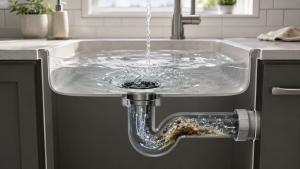
A gurgling sink often points to a local partial blockage or buildup in the waste line, especially if the sink is also slow to drain.
Gurgling toilet
A gurgling toilet can suggest a deeper issue in the drainage line, especially if it reacts when another fixture is used. That often means the problem is affecting more than one part of the system.
Gurgling shower or bath
A shower or bath that gurgles may have buildup in the waste line, but repeated noise with bad smells or slow drainage can also suggest a more stubborn restriction.
The fixture gives you a clue, but the wider pattern is usually more important than the sound coming from one outlet alone.
How to Fix a Gurgling Drain When the Problem Is Minor
If the issue seems mild and local, there are a few sensible first steps.
Remove visible debris
Hair, food waste, soap residue, and surface debris can all contribute to early blockages. Clearing what you can safely reach near the outlet may help.
Check whether the drain is slow
If the gurgling comes with slower drainage, that strengthens the case for a developing blockage. This helps you judge whether the issue is likely to be local or further down the line.
Watch whether the same sound returns
A one-off noise may not mean much. A drain that gurgles every few days, or every time the same fixture is used, usually needs closer attention.
These steps may help with minor issues, but they will not solve a deeper drainage fault.
When Gurgling Drain Causes Point to a Blockage
You are more likely to suspect a blockage when the gurgling comes with:
- slow drainage
- repeat smells
- bubbling water
- rising water before it clears
- more than one outlet reacting together
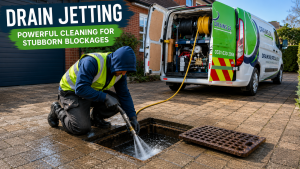
In those cases, professional help with blocked drains often makes more sense than repeated DIY attempts.
When a CCTV Drain Survey Makes Sense
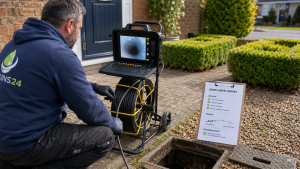
Some gurgling problems keep returning because the issue is not visible from the surface. A CCTV drain survey may be useful when:
- the same drain keeps gurgling
- the cause is not obvious
- the line has repeat blockages
- several fixtures are involved
- roots or pipe damage may be affecting flow
- the drain may need drain repair options
A survey helps confirm whether the sound is coming from buildup, poor flow, structural defects, or another hidden issue.
Why Gurgling Drains Should Not Be Ignored
A gurgling drain is often an early warning sign. It may not mean the system has failed yet, but it does suggest the drain is no longer working as cleanly as it should.
That is why it helps to act before the sound turns into a full blockage, an outside overflow, or repeated disruption indoors. The earlier the cause is checked, the easier it often is to control.
Final Thoughts
The most common gurgling drain causes come back to one thing: the drainage system is no longer letting air and water move through it properly. Sometimes the issue is minor and local. Sometimes it is the first sign of a deeper blockage or structural problem.
The sound matters because it often appears before worse symptoms do. If the gurgling keeps returning, especially with slow drainage or bad smells, it usually makes sense to stop treating it as a harmless noise and start looking at what the system is trying to tell you.
FAQs
Why does my drain make a gurgling sound?
A gurgling sound usually means air and water are struggling to move through the drain properly, often because of a partial blockage or restricted flow.
Can a blocked drain cause gurgling?
Yes. A partial blockage is one of the most common gurgling drain causes because it disrupts the normal movement of water and air through the pipe.
Is a gurgling toilet a sign of a bigger problem?
It can be. A toilet that gurgles when other fixtures are used often suggests the issue is deeper in the drainage system rather than local to the toilet.
Should I ignore a gurgling sink if it still drains?
No. A gurgling sink may still be an early warning sign of buildup or a developing blockage, especially if the sound keeps returning.
When should I get a CCTV drain survey for gurgling drains?
A CCTV drain survey is useful when the same drain keeps gurgling, the cause is unclear, or the issue comes with repeat blockages, bad smells, or signs of drain damage.