A sewage backup house situation needs fast action because it can affect hygiene, safety, and the normal use of the property. If wastewater starts backing up through toilets, showers, sinks, or floor drains, the problem is no longer a routine blockage. It usually points to a serious restriction or failure somewhere in the drainage system.
The most important thing is not to panic. The right first steps can help reduce disruption and stop the situation from getting worse. This guide explains what to do immediately, which warning signs matter most, and when it is time to arrange urgent emergency drainage help.
Why a Sewage Backup House Problem Needs Fast Action
A sewage backup house problem is more serious than a slow drain or a sink that takes longer than usual to empty. When wastewater starts coming back into the property, the system is no longer moving it away safely.
That matters for two reasons. First, continued use of sinks, toilets, showers, or appliances can push more water into the blocked line and make the backup worse. Second, once wastewater starts entering the property, the issue becomes a hygiene problem as well as a drainage one.
That is why acting quickly is so important.
The First Signs of a Sewage Backup House Problem
Some sewage backup house problems start suddenly. Others give a few warnings first. Common signs include:
- toilets struggling to flush properly
- water rising higher than normal before draining away
- bad smells coming from drains or bathrooms
- gurgling sounds from toilets, sinks, or showers
- wastewater appearing in low-level fixtures
- more than one outlet reacting at the same time
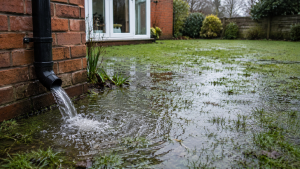
- outside drains or inspection chambers overflowing
When several of these signs appear together, the issue often points to a deeper blockage in the drainage line rather than one small local problem.
What to Do Immediately
If you suspect sewage backup in the house, take these steps straight away.
Stop using water
This is the first and most important step. Do not flush toilets, run taps, use showers, or start washing machines or dishwashers if the affected system may still be backing up. More water into the line usually means more water coming back where it should not.
Keep people away from the affected area
Limit access to the area until the problem has been assessed properly. This is especially important for children and pets. The goal is to reduce contact and stop the issue spreading further through the property.
Check whether the problem affects one fixture or several
A single problem outlet may still be local. If several fixtures are reacting together, the blockage is more likely to be further into the drainage system. This helps you judge how serious the issue may be.
Note what is happening
Make a quick note of what you can see. For example:
- is the issue affecting a toilet, shower, sink, or more than one outlet
- did the problem start suddenly or build up over time
- are there bad smells as well as backup
- is an outside drain also overflowing
That information can help when arranging urgent drain support.
What Not to Do
People often waste time by trying the wrong things first.
Do not keep flushing to see if it clears
This often makes the situation worse. If the drainage system is already backing up, more flushing adds more water to the same blocked line.
Do not rely on repeated DIY drain products
DIY products may help with minor local build-up, but they are not a reliable answer for a sewage backup house problem. If the backup is affecting several outlets or involves a deeper restriction, the real issue needs proper investigation.
Do not assume it will sort itself out
A slow drain may improve temporarily. A sewage backup usually means the system is already under too much pressure. Waiting often leads to more disruption, not less.
What Usually Causes Sewage Backup in the House
A sewage backup house problem often points to a serious blockage or drainage failure further into the system.
Common causes include:
- a severe blockage in the main drainage line
- wipes, paper, grease, or debris restricting the system
- an outside drain or chamber backing up
- root ingress affecting the flow of wastewater
- damaged or collapsed pipework
- repeat blockages that were never fully cleared
The cause is not always visible from the surface, which is why urgent issues often need more than a quick guess.
How to Tell If the Blockage Is Deeper in the System
A deeper blockage usually causes a wider pattern of symptoms.
Warning signs include:
- several fixtures reacting together
- the toilet bubbling when a sink or bath is used
- an outside drain backing up at the same time
- the same problem returning after earlier clearing
- wastewater appearing at the lowest point in the property
These are usually the situations where help with blocked drains needs to go beyond a basic local clear.
When to Call for Emergency Help
It is usually time to call for urgent help when wastewater is backing up into the property, the only toilet is unusable, or more than one outlet is affected. The same applies if an outside drain is overflowing and the symptoms are spreading indoors.
You should act quickly when:
- wastewater is coming back into the house
- several fixtures are affected
- the issue is getting worse fast
- bad smells and backup are happening together
- there is an outside overflow as well
- the property cannot use key facilities normally
In these situations, emergency drainage help is usually the right next step.
Why a Proper Inspection May Be Needed After the Immediate Problem
Once the immediate backup has been dealt with, it is often important to understand why it happened in the first place. A one-off blockage is one thing. A backup caused by damage, roots, or a deeper recurring restriction is another.
That is where a CCTV drain survey can be useful. It helps confirm whether the issue was simply a severe blockage or whether the line has a structural defect that may need drain repair options.
Why Early Action Can Reduce Bigger Problems
A sewage backup house issue is one of those drainage problems where waiting rarely helps. The sooner you stop water use and arrange the right support, the easier it usually is to contain the disruption and move towards the actual cause.
Early action can help:
- reduce further backup
- limit the spread of the problem
- restore safe use of the property sooner
- show whether the issue is a blockage or a deeper fault
- reduce the chance of the same problem returning
Final Thoughts
A sewage backup house problem should be treated seriously because it usually means the drainage system is no longer moving wastewater away safely. The right first steps are simple: stop using water, keep people away from the affected area, note the pattern of the issue, and get urgent help if the symptoms point to a deeper blockage.
The key is to act early. Once the immediate problem is controlled, the next step is to understand why it happened and whether the system needs more than a one-off clear.
FAQs
What should I do first if sewage backs up into the house?
Stop using water straight away, keep people away from the affected area, and arrange urgent drainage help if the problem is spreading or affecting several outlets.
Is sewage backup in the house an emergency?
Yes, it often is. Wastewater backing up into the property usually needs urgent attention because of hygiene and drainage safety concerns.
Can I keep flushing the toilet to clear a sewage backup?
No. Flushing can push more water into the blocked system and make the backup worse.
What causes sewage backup in the house?
Common causes include a severe blockage in the main drainage line, outside drain overflow, root ingress, damaged pipework, or repeat blockages that were never fully resolved.
Should I get a CCTV drain survey after sewage backup?
In many cases, yes. A CCTV drain survey can help confirm whether the backup was caused by a simple blockage or a deeper structural issue.