If you are searching for drain lining cost, the most important thing to understand is that the price depends on the job, not just the repair method. Drain lining can be a practical no-dig repair option, but two lining jobs can cost different amounts because the pipe length, access, damage, preparation work and repair complexity can all vary.
That is why a fixed headline price rarely tells the whole story. A short localised patch repair in an easy-to-access drain is very different from a longer lining job in a deeper or more awkward section of pipe. Likewise, a clean crack is usually simpler than a drain affected by roots, heavy scale, displaced joints or poor flow.
This guide explains what affects drain lining cost, when lining is suitable, how it differs from broader drain repair costs, and why a proper inspection often matters before anyone can give a realistic quote.
Why Drain Lining Cost Varies
Drain lining cost varies because the work has to match the condition of the pipe. Drain lining is not simply a product that gets applied at a fixed rate. It is a repair method used after the drainage problem has been assessed.
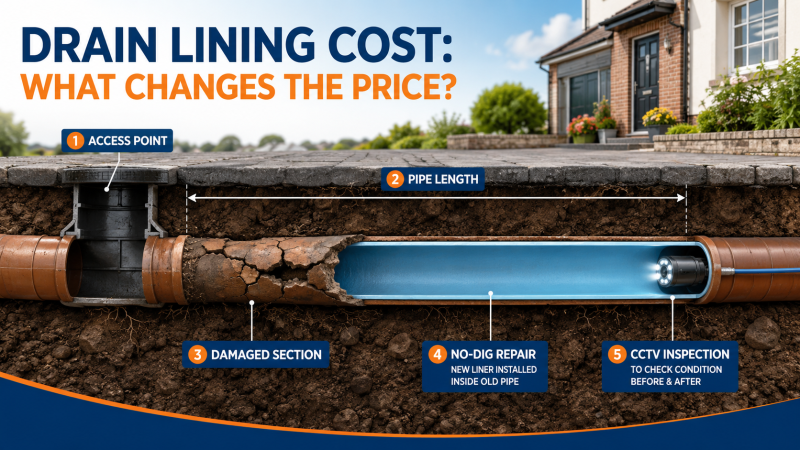
The final cost can depend on:
- how much of the pipe needs lining
- whether a patch repair or longer liner is required
- the pipe diameter and depth
- access to the drain
- cleaning and preparation work
- whether roots or debris need removing first
- the level of damage inside the pipe
- whether CCTV inspection is needed before or after the work
In other words, the price is driven by the condition of the drain and the amount of work needed to make the repair suitable.
What Drain Lining Actually Does
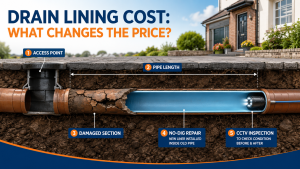
Drain lining repairs the inside of a damaged pipe by installing a new internal lining within the existing drain. It is often used as a no-dig repair method, which means the drain can sometimes be repaired without excavating the full pipe run.
This can be useful where the pipe has cracks, open joints, localised defects or damage that can be sealed internally. Instead of digging up the whole section, the damaged part can often be reinforced from within.
For a fuller explanation of the method itself, it is worth linking to your existing article on how CIPP drain lining works.
The Main Factors That Affect Drain Lining Cost
1. Length of pipe being lined
The length of the repair is one of the biggest factors. A short localised repair usually costs less than lining a longer section of pipe because it uses less material, takes less time and may involve a simpler installation.
However, length alone is not the only issue. A longer but straightforward section may sometimes be easier than a short section with difficult access or heavy damage.
2. Patch repair vs full-length lining
Some drains only need a localised patch repair. This is often used where there is one damaged area, such as a crack or joint defect. Other drains may need a longer liner if the damage runs across a wider section.
That difference matters because patch repairs and longer lining works involve different levels of material, preparation and installation time.
3. Pipe diameter
Pipe size also affects cost. Larger pipes usually need more lining material and may require different equipment or handling. Domestic drain sizes are often more straightforward, while larger or commercial drainage runs can involve more preparation.
4. Access to the damaged section
Access can make a major difference. If the damaged pipe can be reached easily through a chamber or suitable access point, the job is usually more straightforward. If access is restricted, buried, awkward or unsafe, more work may be needed before the repair can even begin.
Poor access does not always rule out lining, but it can affect the time and method required.
5. CCTV drain survey requirements
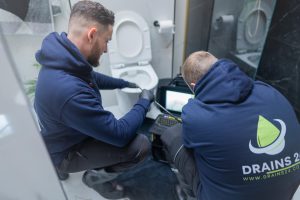
A CCTV drain survey is often needed before lining work because the engineer must understand what is happening inside the pipe. The survey helps confirm the location, length and type of defect.
In some cases, another camera check may also be used after the work to confirm the repair has been completed properly. This can affect the overall cost, but it also helps prevent guesswork.
6. Cleaning and preparation work
Drain lining usually needs a clean and prepared pipe surface. If the drain contains grease, scale, roots, silt or loose debris, cleaning may be required first.
This preparation stage matters because lining over a badly prepared pipe can reduce the quality of the repair. Therefore, a cheaper quote that skips proper preparation may not always be the better option.
7. Root ingress
Tree roots can increase the complexity of the job. If roots have entered through a crack or joint, they may need removing before the pipe can be lined. The underlying defect also needs to be suitable for lining.
If root ingress is heavy or the pipe is badly distorted, lining may not be enough on its own. In some cases, the drain may need a different repair approach. Your existing article on tree roots in drains is a useful supporting link here.
8. Type and severity of damage
Drain lining is often suitable for cracks, open joints and some localised defects. However, it is not the right answer for every damaged drain.
Cost and suitability can change when the drain has:
- collapsed pipe sections
- severe deformation
- major displacement
- missing pipe sections
- heavy root damage
- poor alignment
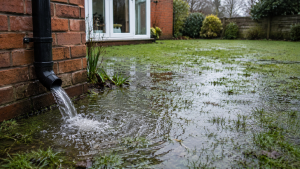
- standing water caused by a deeper structural issue
If the pipe is too damaged, lining may not be suitable. In those cases, other drain repair options may be needed.
When Drain Lining Can Be Better Value Than Excavation
Drain lining can sometimes be better value than excavation because it may avoid digging up patios, driveways, gardens or internal floors. The saving is not always just in the repair itself. It can also come from avoiding the extra disruption and reinstatement that excavation can involve.
For example, excavation may mean:
- breaking ground open
- removing surfacing
- digging down to the pipe
- replacing the damaged section
- backfilling
- reinstating paving, concrete, turf or flooring
Drain lining may reduce some of that disruption when the pipe condition and access allow it. However, it still needs to be the right repair for the defect.
When Drain Lining May Not Be Suitable
Drain lining is useful, but it is not a universal fix. If the pipe has collapsed, lost shape badly, shifted out of alignment or suffered major structural failure, lining may not solve the problem properly.
It may also be unsuitable if the drain cannot be cleaned or accessed properly before the repair.
In those cases, a different repair method may be needed. That could mean a localised excavation, pipe replacement, patch repair, or another form of structural repair depending on what the survey shows.
How Drain Lining Cost Differs from General Drain Repair Cost
A general drain repair cost guide usually looks at several repair options, including excavation, pipe replacement, patch repairs, relining and more complex remedial work.
This article is narrower. It focuses specifically on drain lining cost and why one lining job can differ from another.
That distinction is important because drain lining is only one repair method. It may be the right option for one damaged pipe, while another pipe may need excavation or replacement. The survey findings should guide the recommendation.
Why the Cheapest Drain Lining Quote Is Not Always Best
It is natural to compare prices, especially when dealing with unexpected drainage work. However, the cheapest quote is not always the best value if it does not include proper assessment, cleaning, preparation or a repair method that suits the actual defect.
A good drain lining quote should make clear:
- what section of pipe is being repaired
- whether the quote includes CCTV inspection
- whether cleaning and preparation are included
- whether it is a patch repair or longer lining
- what type of defect is being repaired
- whether any follow-up inspection is included
- whether lining is genuinely suitable
That level of clarity matters because drain lining should solve the defect, not just cover over a symptom.
Questions to Ask Before Agreeing to Drain Lining
Before agreeing to lining work, it is sensible to ask a few practical questions.
Useful questions include:
- What defect has been found?
- Where is it in the drainage line?
- How much of the pipe needs repair?
- Is this a patch repair or a longer liner?
- Has the pipe been checked with CCTV?
- Does the pipe need cleaning before lining?
- Is excavation being avoided?
- Is lining definitely suitable for this damage?
These questions help you understand whether the quote is based on the actual condition of the drain.
Why CCTV Diagnosis Matters Before Pricing
A realistic drain lining cost usually depends on seeing what is happening inside the pipe. Without a camera inspection, it is hard to know how long the defect is, whether lining is suitable, and whether there are other problems in the same run.
A CCTV drain survey can help show:
- cracks
- open joints
- root ingress
- pipe deformation
- displaced sections
- standing water
- damaged or collapsed areas
- repeat blockage points
That information helps decide whether lining is the right repair or whether another solution would be more appropriate.
Final Thoughts
Drain lining cost depends on more than the repair name. The length of pipe, access, pipe diameter, damage level, preparation work and CCTV diagnosis can all change the price.
The key is to understand whether lining is suitable for the actual defect. When it is, it can be a practical no-dig repair option that avoids unnecessary excavation. When it is not, forcing a lining solution may only delay the real repair that the drain needs.
A proper inspection and clear recommendation make the biggest difference. That is what turns a price into a useful repair plan.
FAQs
What affects drain lining cost?
Drain lining cost is affected by the length of pipe being repaired, the pipe diameter, access, cleaning work, CCTV survey requirements, and the level of damage inside the drain.
Is drain lining cheaper than excavation?
It can be cheaper in some cases because it may avoid digging and reinstatement, but the final comparison depends on the pipe condition, location, access and repair method needed.
Do I need a CCTV survey before drain lining?
A CCTV drain survey is usually important because it confirms the location and type of defect, whether the pipe is suitable for lining, and how much of the drain needs repair.
Can all damaged drains be lined?
No. Drain lining is not suitable for every defect. Collapsed pipes, severe deformation, major displacement or badly damaged sections may need another repair method.
Is patch lining the same as full drain lining?
No. Patch lining repairs a localised defect, while longer lining repairs a larger section of pipe. The right option depends on the location and extent of the damage.