If you want to know how to maintain drains, the good news is that good drain care is usually more about habits than complicated work. Most drainage systems perform well when they are used properly, checked early, and not left to struggle with the same avoidable problems month after month. The trouble is that many drain issues only get attention once the blockage has already happened.
That is why routine drain maintenance matters. A small amount of attention during the year can help reduce the risk of slow drainage, bad smells, repeat blockages, outside overflow, and the kind of disruption that always seems to happen at the wrong time. Good maintenance will not prevent every drainage problem, especially where roots, damage, or older pipework are involved. However, it can reduce the chances of everyday buildup becoming something more serious.
This guide explains how to maintain drains throughout the year, what homeowners can do to reduce common problems, and when good maintenance is no longer enough on its own.
Why Learning How to Maintain Drains Matters
Most drains do not fail without warning. In many homes, the signs start small. Water drains a little more slowly. A smell comes and goes. An outside gully holds water for longer than usual. A sink begins to gurgle now and then. These early signs often point to a system that is already under a bit of strain.
That is why learning how to maintain drains is useful. It helps you reduce avoidable buildup and notice when the issue is moving beyond routine care. The aim is not to turn homeowners into drainage engineers. The aim is to stop common problems from growing quietly until they cause a full blockage or outside overflow.
What Good Drain Maintenance Actually Means
Good drain maintenance is not about constantly pouring products down every waste pipe. It is about using the drainage system in a way that reduces buildup and makes early warning signs easier to spot.
In practical terms, that means:
- keeping waste out of the drain where possible
- noticing repeat changes in flow or smell
- checking outside drainage now and then
- responding early when something is clearly not right
This matters because many drainage issues begin as gradual restrictions rather than sudden failures.
How to Maintain Drains Indoors
Be careful what goes down the sink
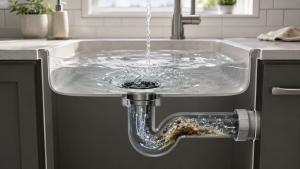
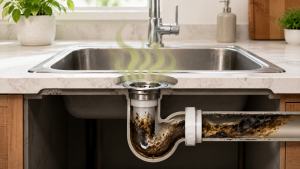
Kitchen sinks often struggle because grease, fat, food particles, and soap residue collect inside the waste line over time. Even when the sink still seems to drain, the internal space can slowly narrow.
Bathroom sinks and showers often develop problems because of hair, soap residue, and general buildup close to the outlet and trap.
Do not treat the toilet like a general waste bin
Toilets are designed for toilet paper and normal wastewater, not for wipes, sanitary products, cotton items, or other materials that do not break down properly. These are common causes of blocked toilets and deeper drainage problems.
Pay attention to early changes
If one sink becomes slower, if a shower starts making noise, or if a drain smells bad more often than before, that is often worth checking early. Maintenance works best before the system reaches full blockage.
How to Maintain Outside Drains
Outside drains often get ignored because they are out of the way. That is exactly why small issues can build up unnoticed.
Check gullies and covers occasionally
Leaves, dirt, silt, and surface debris can collect around outside drainage points and reduce how well water moves away. A quick visual check now and then helps spot obvious buildup before heavy rain puts the system under pressure.
Watch for water sitting too long
An outside drain that stays full or clears very slowly may already be struggling. This is often one of the first visible signs that the system is partially blocked or not flowing properly.
Notice foul smells outdoors
Persistent smells from outside drains can point to trapped waste, poor flow, or a developing blockage. It is often better to investigate that early than wait until the problem worsens.
Seasonal Drain Maintenance Tips
Drain maintenance works best when it follows the year rather than happening only after a problem appears.
Spring
Spring is a good time to check how the drainage system has come through wetter weather. Outside drains, gullies, and surface water areas can be looked over for debris, standing water, or signs that drainage has been poor during heavy rain.
Summer
Summer is often when smells become more noticeable if a drain already has buildup or poor flow. This is a useful time to deal with recurring odours, slow indoor waste lines, or outside drainage issues that may have been ignored during colder months.
Autumn
Autumn often brings more leaves and surface debris, which can collect around outside drains and contribute to blockages. This is one of the most useful times of year to keep outdoor drainage points clear and watch how surface water is moving.
Winter
Winter can expose drainage systems that are already struggling, especially during long wet periods. If outside drains start holding water or the same blockages return during colder weather, the system may need more than simple maintenance.
Warning Signs That Maintenance Is No Longer Enough
Routine care helps with common buildup, but it will not solve every drainage issue. Some warning signs suggest the system needs more than better habits.
Look out for:
- repeat blockages in the same place
- bad smells that keep returning
- slow drainage across more than one fixture
- gurgling sounds from sinks or toilets
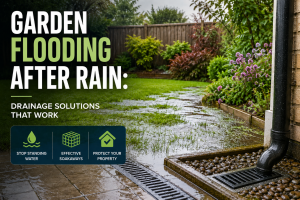
- outside drains backing up
- flooding after rain
- problems that return soon after clearing
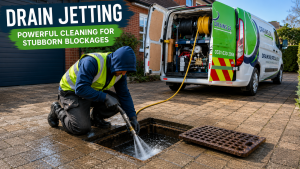
These are often the cases where professional help with blocked drains is more useful than more home maintenance.
When a CCTV Drain Survey Makes Sense
Sometimes the real issue is hidden below ground. A CCTV drain survey becomes useful when:
- the same problem keeps coming back
- the cause is unclear
- there may be roots or pipe damage
- more than one part of the system is affected
- the drain may need drain repair options
This matters because repeated “maintenance” is not the same as solving an actual drainage defect. If the line is cracked, misaligned, or affected by root ingress, the problem usually needs diagnosis rather than more surface-level care.
How to Maintain Drains Without Overdoing It
One mistake some homeowners make is trying too many quick fixes too often. Constantly throwing products at the drain does not always help, especially if the real problem is a blockage or a structural fault deeper into the system.
A better approach is:
- reduce what enters the drain
- notice changes in how it behaves
- keep outside drainage visible and checked
- act early when the same symptoms return
That is usually more effective than waiting until the system fails completely or repeatedly treating symptoms without understanding the cause.
Why Drain Maintenance Saves More Than Just Hassle
Good maintenance is not just about convenience. It can also help reduce:
- repeat callouts for avoidable blockages
- indoor smells and slow waste lines
- outside overflow during wet weather
- bigger disruption from ignored warning signs
- the chance of small issues becoming more expensive ones
That is why learning how to maintain drains is worth it even for homeowners who have never had a serious blockage before.
Final Thoughts
Learning how to maintain drains comes down to a few simple habits done consistently. Keep avoidable waste out of the system, notice changes in flow and smell, check outside drainage now and then, and take repeat symptoms seriously.
The important thing is knowing where maintenance stops being enough. A well-looked-after drain can still develop deeper problems, especially where older pipework, roots, or damage are involved. Good maintenance lowers the risk. Early action makes the biggest difference when something still starts to go wrong.
FAQs
How do I maintain drains at home?
Good drain maintenance includes keeping grease, food waste, hair, wipes, and debris out of the system where possible, checking outside drains occasionally, and acting early when smells or slow flow begin.
How often should I check outside drains?
A quick visual check every so often, especially after heavy rain or during leaf-fall periods, is usually a sensible habit.
Can drain maintenance prevent all blockages?
No. Good maintenance reduces the risk of everyday buildup, but it will not prevent blockages caused by roots, pipe damage, poor flow, or structural defects.
What are the first signs my drains need attention?
Common early signs include slow drainage, bad smells, gurgling sounds, repeated minor blockages, and outside drains that hold water longer than usual.
When should I get a CCTV drain survey instead of doing more maintenance?
A CCTV drain survey makes sense when the same problems keep returning, the cause is unclear, or there may be a deeper issue such as root ingress or drain damage.