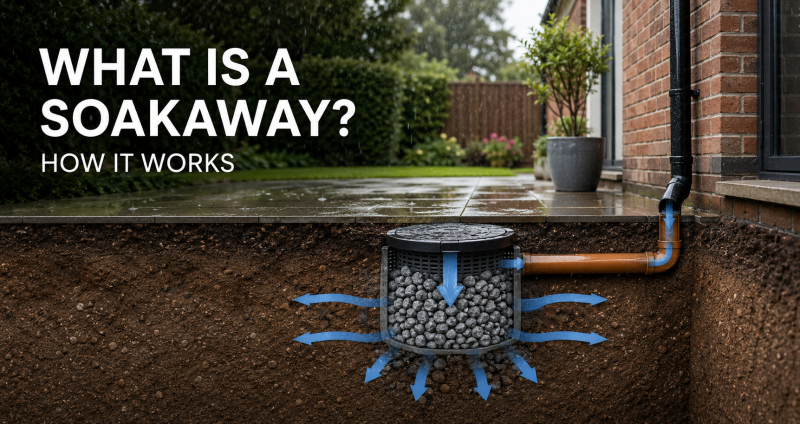
If you are asking what is a soakaway, the simple answer is that it is a drainage system designed to let surface water drain safely into the ground. It helps manage rainwater from roofs, driveways, patios, and other hard surfaces by collecting that water and allowing it to soak away gradually rather than pool around the property.
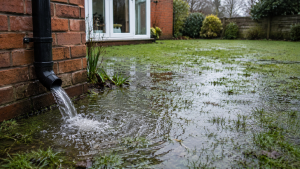
That makes soakaways an important part of surface water drainage. When they work properly, most people do not notice them at all. When they start failing, the signs often show up above ground first. You may see standing water, soggy ground, repeat flooding after rain, or areas that stay wet far longer than they should.
This guide explains what a soakaway is, how it works, where it is used, and when the signs suggest the system may need attention.
What Is a Soakaway in Simple Terms
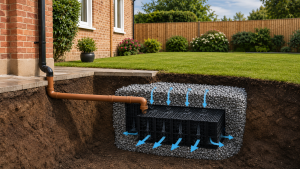
A soakaway is an underground drainage feature that stores rainwater temporarily and then lets it disperse into the surrounding soil. Instead of sending all that surface water straight into a sewer, the soakaway holds it below ground and releases it gradually.
That is why soakaways are often used where a property needs a practical way to deal with rainwater runoff from roofs, paved areas, and driveways. They help reduce surface water build-up and can make a big difference where the ground drainage around a property is under pressure during wet weather.
In practical terms, the soakaway acts like a holding area for rainwater. It receives the water, stores it for a short time, and then allows it to drain away into the surrounding ground.
How a Soakaway Works
A soakaway works by collecting surface water and slowing down how quickly it is released into the ground. Water usually enters the system through connected drainage from gutters, downpipes, channels, or other surface water routes.
Once inside, the soakaway creates space for that water to sit temporarily below ground. From there, the water seeps gradually into the soil around it. This stops large amounts of rainwater from rushing straight across the surface and building up around the property.
The exact design may vary, but the basic principle stays the same: collect the water, hold it briefly, and let it disperse safely over time.
Why Properties Need a Soakaway
Many properties need some form of surface water drainage that goes beyond simply letting rainwater run off. Hard surfaces such as patios, driveways, and paved paths reduce how much water can soak naturally into the ground at surface level. Roof drainage adds even more concentrated water to the same area.
Without a proper route for that water, the property may start seeing:
- standing water after rain
- water collecting near walls or entrances
- soggy lawns or planting beds
- recurring puddles in the same areas
- localised flooding on paved surfaces
This is where soakaways become useful. They give that excess surface water somewhere to go.
Where a Soakaway Is Usually Used
A soakaway is usually installed where surface water needs to be managed away from the property. Common locations include areas that receive water from:
- roof downpipes
- driveways
- patios
- paths
- hard landscaping
- channel drains
- other surface water collection points
The exact location matters because the soakaway needs to sit where it can work effectively without causing problems for the property or nearby structures.
Signs a Soakaway May Be Working Properly
A soakaway often goes unnoticed when it is doing its job. That is usually a good sign. In most cases, a working soakaway means rainwater drains away without large puddles forming or water sitting around the same area for too long.
Typical signs that the system is coping well include:
- surface water clears within a reasonable time after rain
- no repeat ponding near downpipes or gullies
- lawns and borders do not stay waterlogged for days
- paved areas dry out normally after wet weather
- water does not keep collecting in the same low spots
This is important because many people only think about a soakaway once the warning signs start appearing.
Signs a Soakaway May Not Be Working Properly
A failing soakaway often shows itself through repeat surface water problems. The symptoms can look minor at first, but they usually follow a pattern.
Common warning signs include:
- puddles that stay in place long after rain stops
- soggy ground near the same drainage area
- water collecting around drains, downpipes, or channel outlets
- local flooding in gardens, patios, or driveways
- surface water returning every time there is heavy rain
- saturated ground that does not seem to recover
These signs do not always prove the soakaway is at fault on their own, but they often point to a surface water drainage issue that needs looking at more closely.
What Can Cause a Soakaway Problem
Several issues can affect how well a soakaway performs. In some cases, the system may be blocked or overloaded. In others, the surrounding ground may no longer be dispersing water as effectively as it should.
Common reasons include:
- silt or debris restricting the flow into the system
- too much surface water entering at once
- poor drainage in the surrounding soil
- a soakaway that is undersized for the area it serves
- age-related deterioration
- changes to the property layout that increase runoff
That is why surface water problems should not always be judged by the puddle alone. The real issue may sit below ground or relate to how much water the system is being asked to deal with.
What Is the Difference Between a Soakaway and a Foul Drain?
This is a useful distinction because people often assume all drainage systems do the same job.
A soakaway deals with surface water, mainly rainwater runoff. A foul drain deals with wastewater from toilets, sinks, showers, and appliances. They are not there for the same purpose.
That is why a soakaway problem usually shows up as garden flooding, standing rainwater, or wet ground near drainage areas, rather than sewage-related symptoms.
When a Soakaway Needs Professional Attention
It usually makes sense to get professional help when the same surface water problem keeps returning or the ground stays wet long after rainfall. A one-off puddle after extreme weather may not mean much. A repeat pattern usually does.
You may need help when:
- flooding happens in the same area after rain
- the ground stays saturated for too long
- water builds up near downpipes or channel drains
- surface water starts affecting access routes or the property itself
- earlier cleaning or clearing has not solved the issue
In those cases, proper soakaway solutions may make more sense than waiting for the next heavy rainfall to confirm the same problem again.
Why Surface Water Problems Should Not Be Ignored
Persistent surface water around a property is not just inconvenient. Over time, it can affect how usable outdoor spaces are and may start creating wider drainage concerns.
Ignoring the problem can lead to:
- more repeat flooding
- increased saturation around the same areas
- slippery surfaces
- water sitting near structural elements
- drainage complaints that keep returning every wet season
That is why it helps to deal with the signs early rather than treat them as normal every time it rains.
When a Soakaway Is Part of a Bigger Drainage Picture
A soakaway is only one part of a surface water drainage setup. If the wider layout around the property is not working well, the soakaway may appear to be the only problem when the issue is actually broader.
For example, poor falls, blocked channels, overloaded outlets, or badly directed runoff can all add pressure to the same area. That is why it can help to look at the overall surface water drainage help the property may need rather than treating one puddle in isolation.
Local and Network Linking Opportunity
This post is a strong main-site explainer because it supports the soakaways service page while giving you natural room to link down into local articles on garden flooding, surface water problems, and soakaway failures where those local posts already exist. That matches the campaign structure in your uploaded schedule.
Use only real local posts that genuinely support:
- soakaway failure
- garden flooding
- surface water drainage issues
- poor ground drainage
- drainage solutions after heavy rain
Final Thoughts
If you are asking what is a soakaway, the most useful answer is this: it is a practical way to manage rainwater below ground so it does not keep collecting around the property. When it works properly, surface water drains away with little fuss. When it starts struggling, the signs usually appear above ground first through puddles, soggy ground, and repeat flooding.
The key is to notice the pattern. If the same area keeps flooding after rain or the ground never seems to dry properly, it may be time to look more closely at whether the soakaway or the wider surface water drainage setup is coping as it should.
FAQs
What is a soakaway used for?
A soakaway is used to collect and disperse surface water, usually rainwater from roofs, patios, driveways, and other hard surfaces.
How does a soakaway work?
It stores rainwater below ground for a short time and then lets that water soak gradually into the surrounding soil.
Is a soakaway the same as a drain?
No. A soakaway is mainly for surface water, while foul drains carry wastewater from toilets, sinks, showers, and appliances.
What are the signs of a failing soakaway?
Common signs include standing water, soggy ground, repeat flooding after rain, and water collecting near downpipes or drainage outlets.
Can a blocked soakaway cause garden flooding?
Yes. If a soakaway cannot take or disperse water properly, surface water may start collecting around the garden or nearby outdoor areas.